One question per article, written against mainstream clinical guidance from the CDC, NIH/MedlinePlus, Mayo Clinic and Cochrane reviews. New article every week.
Topic guides: compression socks for shin splints, standing all day, varicose veins, edema, travel, plantar fasciitis and surgeons and doctors.

Compression socks can help manage symptoms of varicose veins and may prevent them from worsening by supporting healthy circulation.
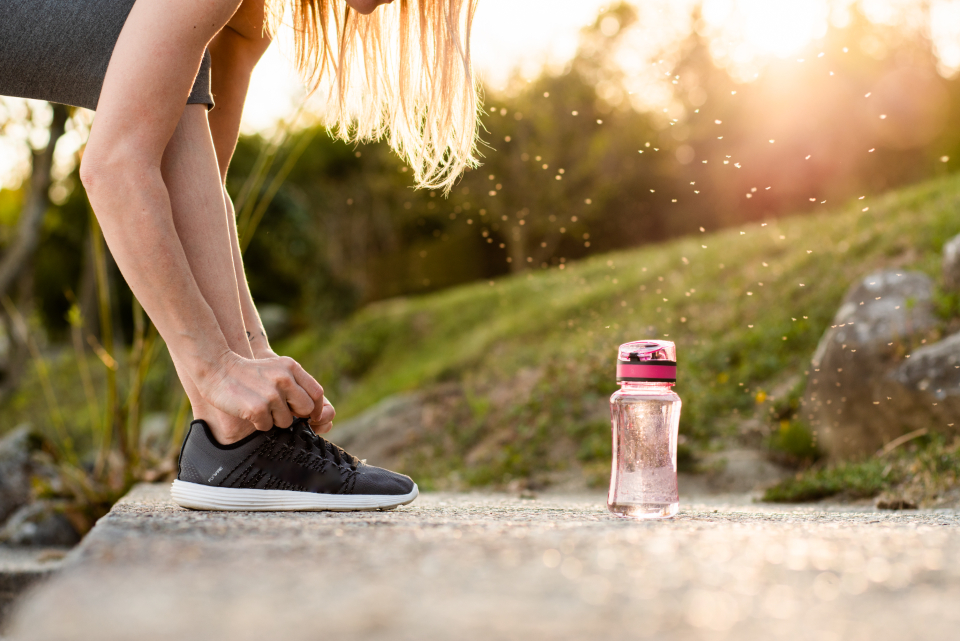
Proper fit is crucial for compression socks to be effective and comfortable. Learn how to measure your legs for the right size.

Explore the key differences between compression socks and regular socks and how they impact leg comfort and circulation.

While compression socks are not a primary treatment for plantar fasciitis, they can offer supportive benefits for related symptoms like swelling and fatigue.
Understanding how long to wear compression socks depends on your reason for using them and your individual comfort. Consistency is often key.

Wearing mild compression socks daily at work is generally safe for many people, especially those with prolonged standing or sitting.

Learn how compression socks can help manage leg swelling and fatigue, especially after long periods of standing or sitting.
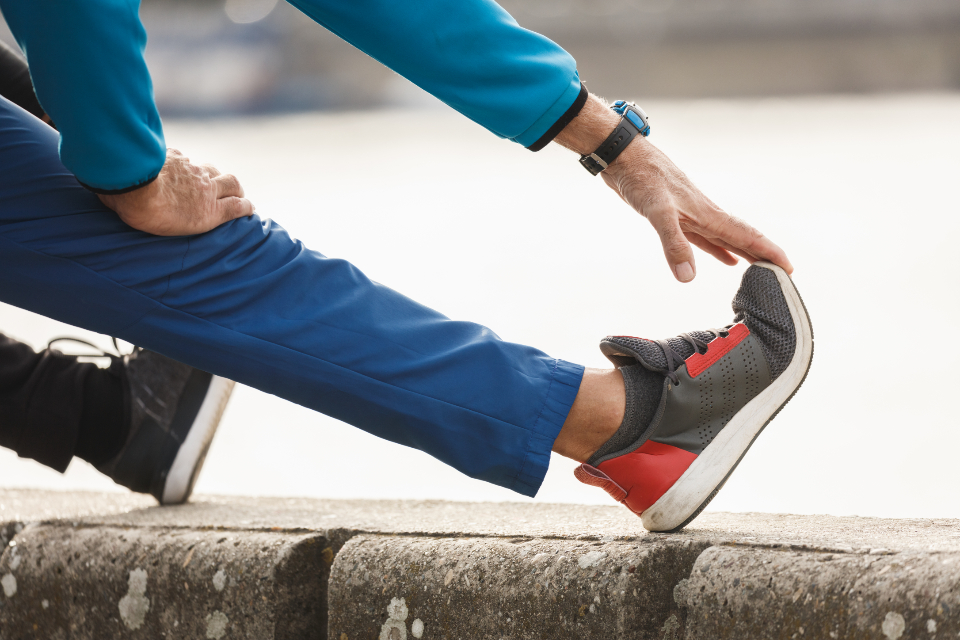
Graduated compression socks are designed to be tighter at the ankle and gradually less compressive up the leg to support healthy blood flow.
For those who spend long hours on their feet, understanding compression sock levels can help alleviate leg fatigue and mild swelling. Mild graduated compression is often recommended.

Nurses often spend long hours on their feet. Compression socks can offer support for leg fatigue, aching, and mild swelling.
Tested by nurses. Designed for long shifts.
Buy on Amazon